Introduction
Pregnancy is a remarkable journey during which a woman’s body undergoes significant physical, hormonal and metabolic changes to support the growth and development of her baby. Good nutrition and regular physical activity are two of the most important components of a healthy pregnancy.
A balanced antenatal diet provides essential nutrients for the development of the baby’s brain, bones, muscles and organs while maintaining the mother’s health. Appropriate exercise helps improve fitness, supports healthy weight gain, reduces certain pregnancy-related discomforts and may lower the risk of complications such as gestational diabetes.
The goal of a healthy pregnancy is not to eat for two or to avoid all physical activity. It is to eat wisely, remain appropriately active and follow individualised medical advice.
Every pregnancy is different. A woman’s nutritional requirements and exercise routine may vary according to her pre-pregnancy weight, stage of pregnancy, medical history, dietary preferences and whether she is carrying one baby or multiples.
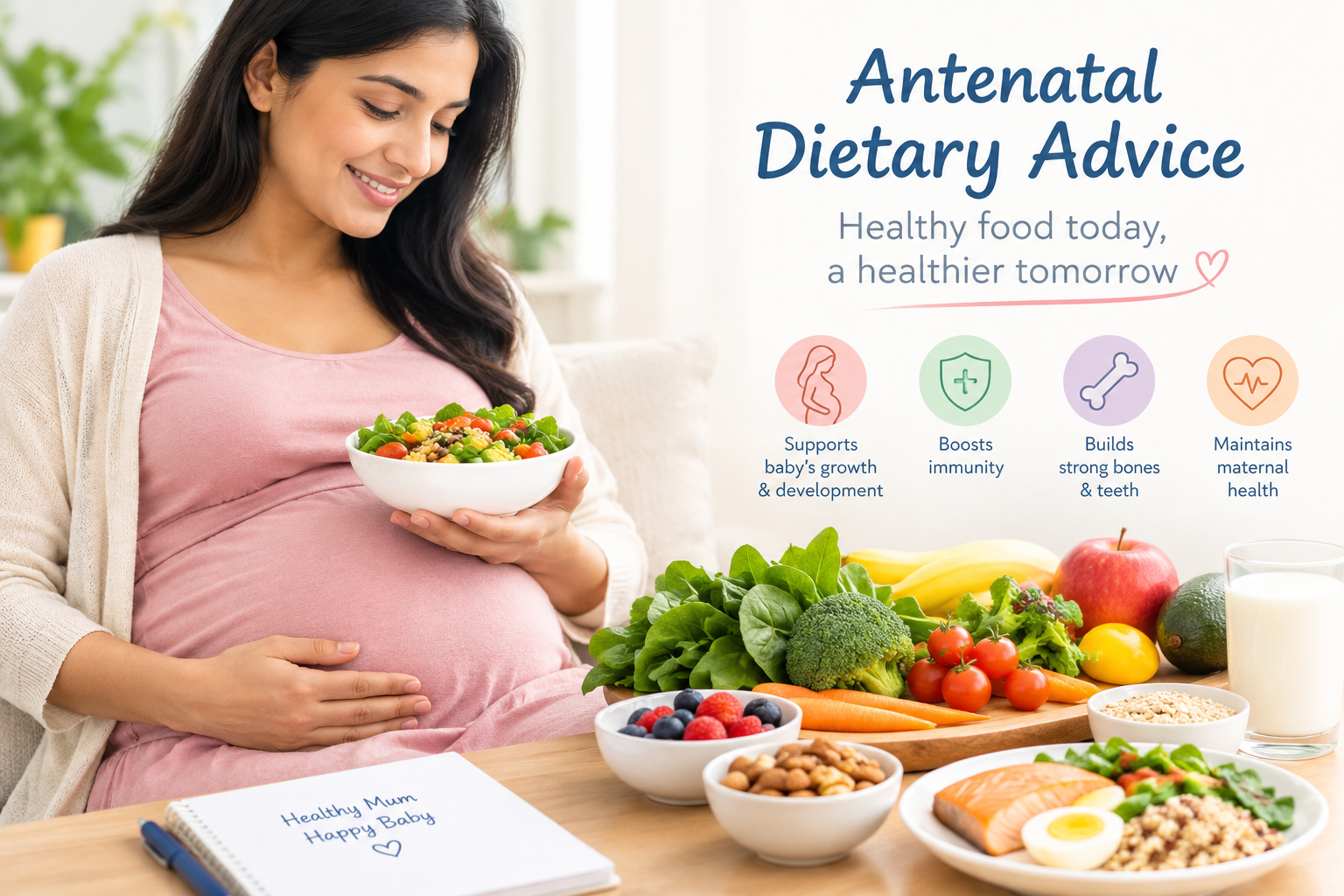
ANTENATAL DIET
1. The Importance of a Balanced Diet During Pregnancy
A nutritious diet supports:
- Healthy growth and development of the baby.
- Formation of the placenta and maternal tissues.
- Development of the baby’s brain, nervous system, bones and blood cells.
- Maintenance of maternal energy levels and muscle strength.
- Prevention or correction of nutritional deficiencies.
- Appropriate maternal weight gain.
- Reduction of the risk of certain pregnancy complications.
Poor nutrition, severe dietary restriction and untreated nutrient deficiencies can adversely affect both maternal and fetal health. However, excessive calorie intake and unnecessary weight gain may also increase the risk of gestational diabetes, hypertension and delivery complications.
The emphasis should therefore be on nutrient-rich foods, dietary variety and appropriate portion sizes, rather than simply increasing the quantity of food.
2. How Much Should You Eat During Pregnancy?
Energy requirements increase as pregnancy progresses, but the increase is usually smaller than many people assume.
For a woman who begins pregnancy at a healthy weight, commonly used international estimates suggest:
- First trimester: Usually no additional calories are required.
- Second trimester: Approximately 340 additional calories per day.
- Third trimester: Approximately 450 additional calories per day.
These are general estimates, not fixed prescriptions. Requirements depend on pre-pregnancy BMI, activity level, age, fetal growth and individual circumstances. Women who are underweight, overweight, carrying twins or managing specific medical conditions may need a personalised plan.
An additional nutritious snack, such as yoghurt with fruit, milk with nuts, or a small serving of roasted chana with fruit, may provide the extra energy required.
Eating twice as much is neither necessary nor beneficial.
3. Essential Nutrients During Pregnancy
A. Protein: For Growth and Tissue Development
Protein is necessary for the development of the baby’s organs, muscles and tissues, as well as the placenta and maternal tissues.
Good sources include:
- Dal, rajma, chana, peas and other pulses.
- Milk, curd, paneer and cheese made from pasteurised milk.
- Eggs, thoroughly cooked.
- Fish and lean meat, thoroughly cooked.
- Soybeans, tofu, nuts and seeds.
Including a protein source in each main meal helps improve overall nutritional quality. Vegetarians can meet their requirements through a varied combination of pulses, dairy products, soy and other protein-rich foods.
B. Iron: To Prevent Maternal Anaemia
Iron is required to produce haemoglobin, which carries oxygen to the mother and baby. Iron requirements rise considerably during pregnancy.
Iron deficiency can cause anaemia, fatigue, breathlessness and reduced physical capacity. Significant untreated anaemia is associated with adverse pregnancy outcomes.
Iron-rich foods include:
- Green leafy vegetables, such as spinach and amaranth.
- Lentils, chickpeas, rajma and other pulses.
- Meat and fish.
- Iron-fortified cereals and grains.
- Nuts and seeds.
Vitamin C improves the absorption of non-haem iron from plant foods. Combining dal, beans or leafy vegetables with lemon, guava, oranges, tomatoes or capsicum can be helpful.
Tea and coffee may reduce iron absorption when consumed with meals; avoid taking them alongside iron-rich meals or iron supplements.
Food alone may not provide sufficient iron during pregnancy. Follow your obstetrician’s advice regarding iron supplementation and haemoglobin monitoring. Anaemia that is already present may require additional investigation and treatment.
C. Folic Acid: For Early Brain and Spinal Cord Development
Folate is essential for cell division and the development of the baby’s neural tube, which forms the brain and spinal cord.
Foods rich in folate include green leafy vegetables, legumes, citrus fruits and fortified grains.
However, food sources do not replace the need for folic acid supplementation around conception and during early pregnancy. For most women, 400 micrograms of folic acid daily is recommended before conception and through the first 12 weeks of pregnancy.
Women at increased risk of neural tube defects may need a higher prescribed dose, commonly 4–5 mg daily depending on local guidance and clinical circumstances. This should be determined by a doctor.
D. Calcium: For Strong Bones and Teeth
Calcium supports the development of the baby’s bones and teeth and helps maintain maternal bone health.
Good sources include:
- Milk, curd and paneer.
- Calcium-fortified foods.
- Ragi.
- Calcium-set tofu.
- Some green vegetables and nuts.
Most adult pregnant women require approximately 1,000 mg of calcium daily from food and supplements combined; adolescents generally require more.
Calcium supplementation is particularly important in settings where dietary intake is low. The World Health Organization recommends calcium supplementation during pregnancy in populations with low dietary calcium intake to help reduce the risk of pre-eclampsia. The dose and schedule should follow local antenatal guidance and the treating clinician’s advice.
Calcium and iron supplements may need to be taken at different times because calcium can interfere with iron absorption.
E. Vitamin D: For Calcium Absorption and Bone Health
Vitamin D helps the body absorb calcium and supports normal bone development.
Dietary sources include fortified foods, egg yolks and oily fish. Sunlight exposure can contribute to vitamin D production, although the amount produced varies with skin pigmentation, clothing, season and other factors.
Supplementation should be based on routine antenatal recommendations and individual risk factors. High-dose vitamin D should not be taken without medical supervision.
F. Iodine: For Thyroid Function and Brain Development
Iodine is required for the production of thyroid hormones, which are important for fetal brain development.
Use adequately iodised salt in moderation. Dairy products, eggs and seafood can also contribute iodine.
Women with thyroid disorders or those considering iodine-containing supplements should consult their doctor, as excessive iodine can also be harmful.
G. Vitamin B12: Especially Important for Vegetarians and Vegans
Vitamin B12 is necessary for red blood cell formation and neurological development.
Sources include dairy products, eggs, meat and fish. Women following a vegan diet, and some strict vegetarians, may require supplementation or testing because unfortified plant foods are not reliable sources of vitamin B12.
Untreated deficiency can harm maternal health and fetal neurological development.
H. Omega-3 Fatty Acids: For Brain and Eye Development
DHA, an omega-3 fatty acid, contributes to fetal brain and retinal development.
Low-mercury fish, such as salmon, sardines and other locally available suitable fish, can be useful sources. Choose thoroughly cooked fish and follow local advice on fish species and mercury exposure.
Women who do not eat fish may discuss an appropriate DHA supplement with their obstetrician. Avoid unregulated supplements and cod liver oil unless specifically advised, because some products contain excessive preformed vitamin A.
I. Fibre: For Healthy Digestion
Constipation is common during pregnancy because of hormonal changes, reduced intestinal movement and, sometimes, iron supplementation.
Include:
- Whole grains, such as oats, whole-wheat roti and millets.
- Fruits such as guava, pears, oranges and apples.
- Vegetables and leafy greens.
- Pulses and beans.
- Adequate fluids.
Increase fibre gradually and drink sufficient water to reduce constipation.
J. Fluids: To Maintain Hydration
Water supports circulation, digestion, temperature regulation and the increase in blood volume that occurs during pregnancy.
Drink regularly throughout the day and increase intake in hot weather, during exercise or when sweating more than usual. Pale-yellow urine is often a useful practical indicator of hydration, although vitamins and medical conditions can alter urine colour.
Women with conditions requiring fluid restriction should follow their clinician’s advice.
4. An Indian Pregnancy Diet: What Should Your Plate Look Like?
A balanced Indian diet can be vegetarian or non-vegetarian. Expensive foods, special pregnancy powders or elaborate meal plans are not necessary for most women.
A practical main-meal pattern is:
- Half the plate: A variety of vegetables, including leafy greens.
- One quarter: Protein-rich foods such as dal, beans, chana, paneer, tofu, eggs, fish or lean meat.
- One quarter: Whole grains or other staple carbohydrates, such as roti, rice, oats or millets.
- Alongside the meal: Curd, milk or another suitable calcium source, if tolerated.
- Throughout the day: Fruits, nuts and adequate water.
This is a flexible guide rather than a rigid rule. Energy requirements, nausea, cultural preferences and diabetes may require adjustments.
5. A Sample Day’s Antenatal Meal Plan
The following is an illustrative menu for a generally healthy pregnant woman. Portions should be adjusted to appetite, nutritional needs and medical advice.
Early Morning
- A glass of water.
- A small handful of nuts, if tolerated.
Breakfast
- Vegetable poha, upma or oats with milk; alternatively, whole-wheat roti with a well-cooked egg.
- One serving of fruit.
Mid-Morning
- Seasonal fruit, such as guava, orange, apple or banana.
- Water.
Lunch
- Rice or whole-wheat roti.
- Dal, rajma or chana.
- A serving of cooked seasonal vegetables.
- Curd made from pasteurised milk.
Evening Snack
- Roasted chana, a small portion of nuts, or a vegetable sandwich.
- Milk or unsweetened yoghurt, if desired.
Dinner
- Roti or rice.
- Dal, paneer, tofu, thoroughly cooked egg, fish or lean meat.
- Cooked vegetables or a vegetable soup.
Bedtime, If Hungry
- A small glass of milk or another suitable snack.
Women with gestational diabetes may need different carbohydrate portions and meal timings. Those experiencing nausea may find small, frequent meals easier to tolerate.
No single menu suits every pregnancy. Dietary advice should account for allergies, food intolerance, cultural practices, affordability and any medical conditions.
6. Foods and Drinks to Avoid or Limit
Food safety is particularly important during pregnancy because some foodborne infections can cause serious maternal or fetal complications.
Avoid or take care with the following:
- Alcohol: Avoid completely; no safe level of alcohol consumption during pregnancy has been established.
- Raw or undercooked meat, fish and eggs: Cook thoroughly to reduce infection risk.
- Unpasteurised milk and dairy products: Avoid because of the risk of harmful bacteria.
- Unwashed fruits and vegetables: Wash thoroughly under clean running water.
- Raw sprouts: Avoid uncooked sprouts; cook thoroughly before eating.
- High-mercury fish: Avoid species known to contain high mercury and follow local fish-consumption guidance.
- Liver and high-dose vitamin A supplements: Avoid excessive preformed vitamin A, which can harm fetal development.
- Excessive caffeine: Keep total caffeine intake below 200 mg per day as a commonly used international recommendation, unless your clinician advises otherwise. Remember to include tea, coffee, chocolate, cola and energy drinks.
- Unregulated herbal preparations and supplements: Do not assume that natural products are safe during pregnancy.
Avoid prolonged storage of cooked food at room temperature, especially in hot weather. Refrigerate leftovers promptly and reheat them thoroughly.
7. Managing Common Dietary Problems
Nausea and vomiting: Eat small, frequent meals; choose foods that are easier to tolerate and drink fluids in small, regular amounts. Seek medical advice if you cannot retain fluids, pass very little urine or feel faint.
Heartburn: Eat smaller meals, avoid lying down immediately after eating and identify foods that trigger symptoms. Seek advice if symptoms are severe or persistent.
Constipation: Increase fibre gradually, maintain hydration and stay physically active if medically safe. Ask your doctor before taking laxatives.
Food cravings: Occasional cravings are common. Try to maintain a balanced diet. Avoid eating non-food substances such as soil, chalk or clay, and inform your doctor if you experience these cravings.
Excessive weight gain: Review portion sizes, sugary drinks and highly processed snacks with your clinician rather than following a restrictive diet.
Poor weight gain or persistent food aversions: Seek nutritional assessment, especially if weight is falling or you are unable to eat adequately.
8. Healthy Weight Gain During Pregnancy
Recommended weight gain depends largely on pre-pregnancy BMI and whether the pregnancy involves one baby or multiples.
Weight gain is not expected to occur at the same rate throughout pregnancy. Your obstetrician should interpret your weight trend alongside fetal growth, blood pressure, nutritional status and other clinical findings.
Pregnancy is not the time for crash dieting or intentional weight-loss programmes. If you begin pregnancy overweight or obese, focus on nutritious food, safe activity and appropriate monitoring rather than trying to lose weight without medical supervision.
Healthy Weight Gain During Singleton Pregnancy
Weight gain during pregnancy is an important indicator of maternal nutrition and fetal growth. The recommended gain depends primarily on the mother's pre-pregnancy BMI, rather than on a single target that applies to every pregnant woman.
For a singleton pregnancy, the aim is to achieve gradual, appropriate weight gain throughout pregnancy, avoiding both inadequate gain and excessive gain.
1. Recommended Total Weight Gain
The following widely used recommendations from the US Institute of Medicine (IOM), now part of the National Academies, apply to singleton pregnancies:
| Pre-pregnancy BMI Category | BMI (kg/m²) | Recommended Total Weight Gain |
|---|---|---|
| Underweight | Less than 18.5 | 12.5–18 kg |
| Normal weight | 18.5–24.9 | 11.5–16 kg |
| Overweight | 25.0–29.9 | 7–11.5 kg |
| Obesity | 30 or above | 5–9 kg |
BMI is calculated as weight in kilograms divided by height in metres squared, using the weight before pregnancy.
These are reference ranges, not rigid targets. Your obstetrician should individualise advice based on maternal health, fetal growth, nutritional status and applicable local guidance.
2. Practical Advice for Antenatal Visits
- Record weight at booking and calculate pre-pregnancy BMI using the best available pre-pregnancy weight.
- Monitor weight at routine antenatal visits and assess the overall trend, rather than reacting to a single measurement.
- Review dietary intake, nausea, vomiting, physical activity and relevant medical conditions if gain is inadequate or excessive.
- Interpret weight gain alongside fundal height, fetal growth and other clinical findings.
- Investigate sudden or disproportionate weight gain, particularly when accompanied by hypertension, severe headache, visual disturbances or sudden swelling, as these may indicate an obstetric complication.
Remember: Do not advise intentional weight loss or severe calorie restriction during pregnancy. For women with overweight or obesity, an appropriate weight-gain target should be individualised, especially when fetal growth is satisfactory.
This educational content does not replace individual medical assessment. Consult a qualified clinician for personal advice.