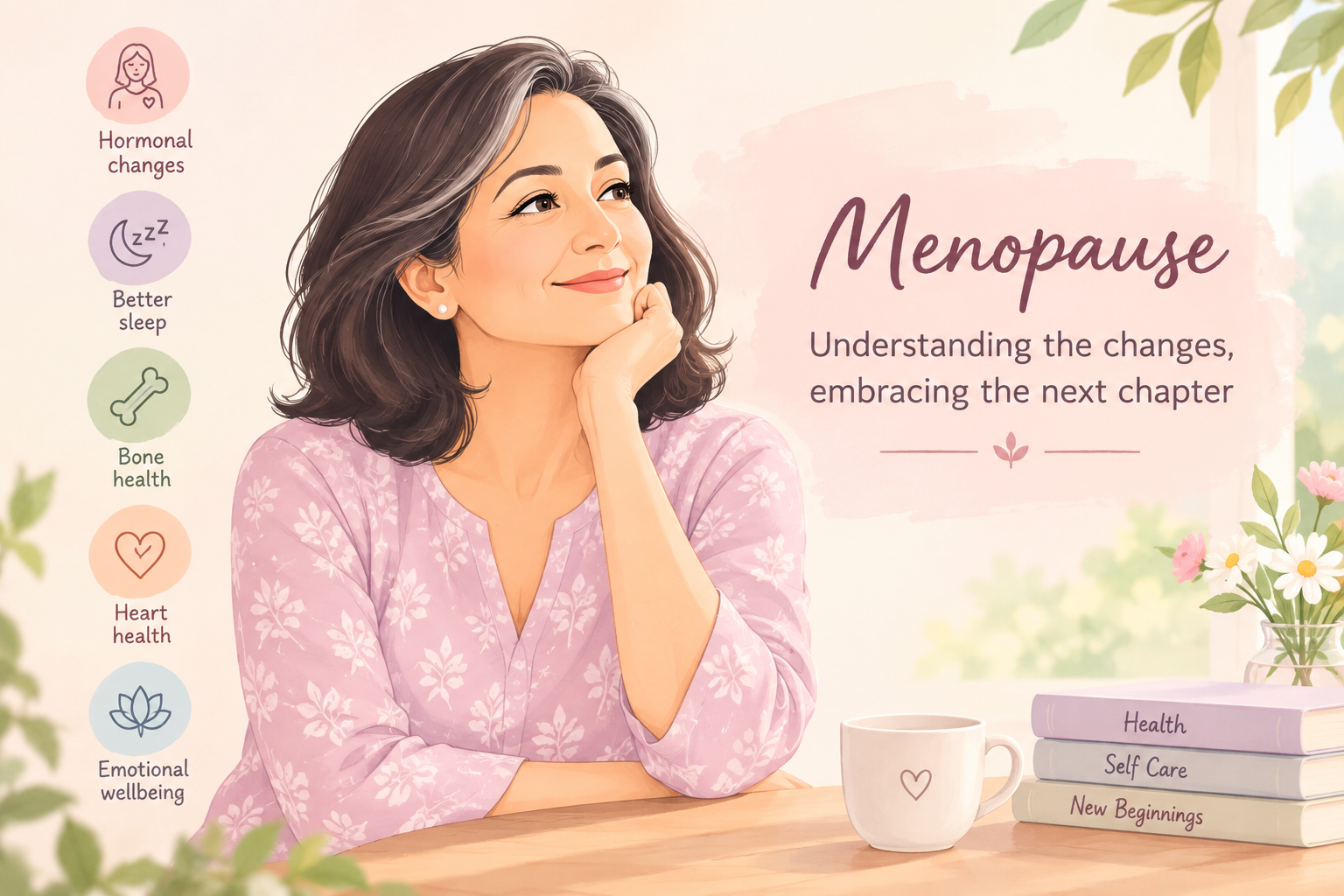
Understanding the changes in your body and how to stay healthy after menopause
Menopause is a natural stage in every woman’s life, marking the end of her reproductive years. Although it is a normal biological transition, the hormonal changes associated with menopause can affect physical health, emotional well-being, sleep, sexual health and quality of life.
With the right information, healthy lifestyle choices and medical support when needed, women can remain active, confident and healthy after menopause.
What is post-menopause?
Menopause is defined as the permanent cessation of menstruation due to the loss of ovarian follicular activity. It is usually diagnosed retrospectively after a woman has gone 12 consecutive months without a menstrual period, provided there is no other explanation.
The period of life following menopause is called post-menopause. Natural menopause commonly occurs between the ages of 45 and 55, although the timing varies. Menopause may also occur earlier due to surgery, chemotherapy or other medical conditions.
After menopause, the ovaries produce much lower levels of oestrogen. These hormonal changes can lead to several symptoms and may increase the risk of certain long-term health conditions.
Common signs and symptoms of post-menopause
Not every woman experiences the same symptoms. Some have minimal discomfort, while others experience symptoms that significantly affect their daily lives.
1. Hot flushes and night sweats
Hot flushes cause a sudden feeling of warmth, particularly over the face, neck and chest. They may be accompanied by sweating, palpitations or redness of the skin. Night sweats can disturb sleep and cause tiredness during the day.
These symptoms may continue into the post-menopausal years.
2. Sleep disturbances and fatigue
Difficulty falling asleep, frequent awakenings and poor-quality sleep are common. Night sweats may contribute to these problems, leading to daytime fatigue, irritability and reduced concentration.
3. Mood changes and emotional symptoms
Some women experience anxiety, irritability, low mood or reduced emotional well-being. Sleep disruption and the wider changes associated with midlife may contribute to these symptoms. Persistent or severe depression should not be dismissed as simply a part of menopause.
4. Vaginal dryness and discomfort during intercourse
Reduced oestrogen levels can cause thinning and reduced elasticity of the vaginal tissues, resulting in dryness, burning, itching and discomfort during sexual intercourse.
These symptoms are part of genitourinary syndrome of menopause (GSM), which may also affect the vulva and urinary tract. Unlike hot flushes, these symptoms often persist or worsen without treatment.
5. Urinary symptoms
Some women experience urinary urgency, increased frequency, discomfort during urination or recurrent urinary tract infections. Urinary leakage may also occur, particularly with coughing, sneezing or physical activity.
These symptoms deserve assessment because several urinary and pelvic floor conditions can produce similar problems.
6. Reduced sexual desire
Changes in sexual desire may occur due to hormonal changes, vaginal discomfort, sleep problems, mood changes or relationship factors. An open discussion with a healthcare professional can help identify the cause and appropriate treatment.
7. Joint pain and muscle aches
Some women report stiffness, joint discomfort and muscle aches after menopause. Regular physical activity, muscle strengthening and assessment of persistent or severe pain can help maintain mobility.
8. Changes in weight and body composition
Weight gain and an increase in abdominal fat are common during midlife. Ageing, changes in muscle mass, sleep, diet and physical activity all contribute; menopause is not necessarily the sole cause.
9. Changes in skin, hair and overall well-being
The skin may become drier, and some women notice hair thinning or changes in hair texture. These symptoms are not specific to menopause, so other causes should be considered if they are marked or persistent.
Long-term health after menopause
Lower oestrogen levels and ageing can influence several aspects of health.
- Bone health: Bone loss accelerates around menopause, increasing the risk of osteopenia, osteoporosis and fractures.
- Cardiovascular health: Blood pressure, cholesterol levels, blood glucose and body composition may change during midlife. Regular assessment and management of cardiovascular risk factors are important.
- Pelvic floor and urinary health: Pelvic floor weakness, urinary incontinence and vaginal or urinary symptoms may affect daily activities and quality of life.
- General preventive health: Appropriate screening, vaccination, dental care, eye care and management of existing medical conditions remain important after menopause.
Management of post-menopausal symptoms
Treatment should be individualised according to symptoms, medical history, personal preferences and risk factors. Not every woman needs medication.
1. Healthy lifestyle measures
A balanced lifestyle helps support physical and emotional health.
- Follow a balanced diet rich in vegetables, fruits, whole grains, protein and calcium-containing foods.
- Ensure adequate vitamin D and calcium intake according to individual needs.
- Engage in regular weight-bearing exercise, resistance training and activities that improve balance.
- Maintain a healthy weight and avoid smoking.
- Limit alcohol and identify personal triggers for hot flushes, if relevant.
- Maintain regular sleep habits and practise stress-management techniques such as yoga, meditation or relaxation exercises.
2. Menopausal hormone therapy (MHT/HRT)
Menopausal hormone therapy is one of the most effective treatments for troublesome hot flushes and night sweats. It may also help prevent bone loss while treatment continues in appropriately selected women.
Treatment may contain oestrogen alone or a combination of oestrogen and a progestogen.
- Oestrogen-only therapy: Generally appropriate for women who have had a total hysterectomy.
- Combined therapy: Usually required when the uterus is present, because the progestogen protects the endometrium against oestrogen-induced overgrowth.
Oestrogen can be given orally or through the skin as a patch, gel or spray. The route, dose and regimen should be selected according to individual circumstances.
The benefits and risks depend on factors including age, time since menopause, type of therapy, duration of use and personal medical history. A history of certain cancers, blood clots, stroke, cardiovascular disease or liver disease may affect suitability and requires careful assessment.
Hormone therapy is not a treatment that every woman must take, and it should not be started without medical consultation.
3. Treatment for vaginal and urinary symptoms
Vaginal moisturisers and lubricants can help relieve dryness and discomfort during sexual activity.
For persistent genitourinary symptoms, low-dose vaginal oestrogen may be considered after an individual assessment. It is generally associated with much lower systemic absorption than systemic hormone therapy. Other local treatments may be appropriate in selected cases.
Women with a history of hormone-sensitive cancer should discuss treatment options with their treating specialist.
4. Non-hormonal treatments
Women who cannot take hormone therapy or prefer not to use it may have other options.
Depending on the symptoms, these can include menopause-specific cognitive behavioural therapy and selected prescription medicines for vasomotor symptoms. The choice should be based on clinical assessment, other medications and possible adverse effects.
For persistent low sexual desire, a clinician should first assess contributing factors and address pain, relationship concerns, mood and other relevant causes. Specialist advice may be appropriate if symptoms persist.
Herbal and complementary products should be used cautiously because their effectiveness, safety and interactions with other medicines may be uncertain.
When should you consult a gynaecologist?
Seek medical evaluation if you experience persistent symptoms that affect your quality of life, recurrent urinary infections, painful intercourse, unexplained weight changes, or symptoms that may have another underlying cause.
Any vaginal bleeding after menopause must be investigated. This includes spotting, pink or brown discharge, or bleeding that occurs only once. Although many causes are benign, post-menopausal bleeding can be a sign of endometrial or other gynaecological disease and should not be ignored.
Depending on the clinical findings, evaluation may include a pelvic examination, transvaginal ultrasound, endometrial sampling or other investigations.
Health screening after menopause
Preventive care should be tailored to age, risk factors and local screening recommendations. Discuss the following with your healthcare professional:
- Bone mineral density assessment when indicated by age or fracture risk.
- Blood pressure, blood glucose and lipid assessment.
- Breast and cervical cancer screening according to current recommendations and individual history.
- Colorectal cancer screening where appropriate.
- Assessment of urinary symptoms, pelvic floor health and sexual well-being.
Conclusion
Post-menopause is not a disease; it is a natural stage of life. However, symptoms should not be accepted as something women simply have to endure.
With accurate information, healthy habits, preventive care and individualised medical treatment, women can protect their long-term health and maintain a good quality of life after menopause.
Remember: Every woman’s experience is different. Consult a qualified healthcare professional to discuss your symptoms and the most appropriate options for you.
Stay healthy and safe!
Happy healing ❤️🩹
This educational content does not replace individual medical assessment. Consult a qualified clinician for personal advice.