Introduction
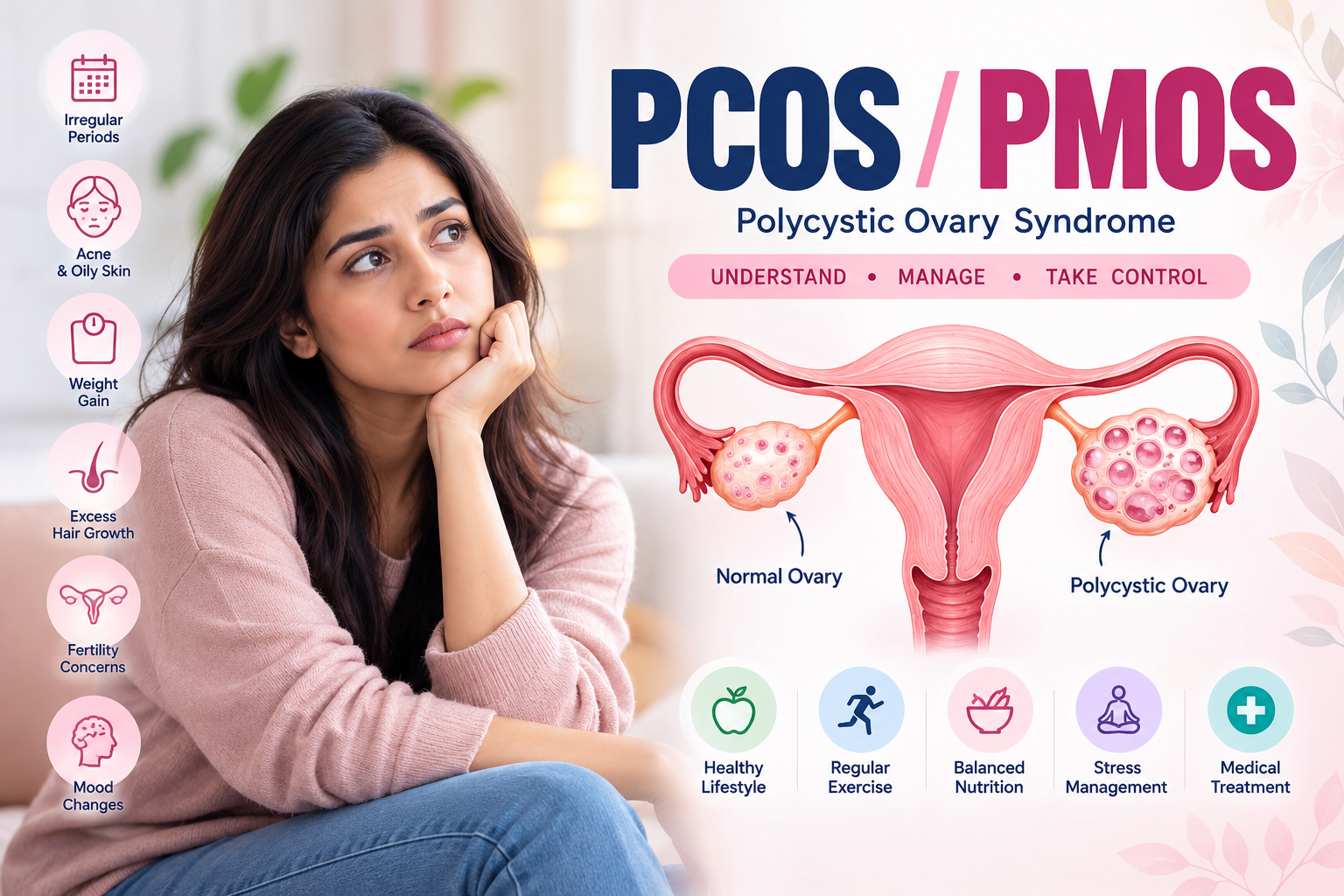
Polycystic Ovary Syndrome (PCOS)/Polycystic Ovarian Disease (PCOD), and the newly coined terminology Polyendocrine Metabolic Ovarian Syndrome (PMOS), is one of the most common endocrine disorders affecting women of reproductive age. It is characterised by hormonal imbalance, ovulatory dysfunction and, in some cases, polycystic ovarian morphology. It can affect menstrual health, fertility, metabolic function and psychological well-being. Increased awareness and early diagnosis are essential for effective long-term management.
Clinical Features
The clinical presentation varies among individuals. Common manifestations include:
- Delayed, irregular or absent menstruation.
- Excessive facial or body hair (hirsutism).
- Acne and thinning of scalp hair.
- Difficulty conceiving due to irregular ovulation.
- Insulin resistance and associated metabolic disturbances in some individuals.
Importantly, not all women with PCOS have ovarian cysts, and symptoms may differ from person to person.
Causes and Risk Factors
The exact cause of PCOS remains unclear. Genetic predisposition, hormonal abnormalities and insulin resistance are believed to contribute to its development. PCOS can occur in individuals of different body sizes, and it should not be considered solely a weight-related disorder.
Diagnosis
Diagnosis is based on clinical assessment, medical and menstrual history, physical examination, and appropriate laboratory investigations. In adults, diagnosis generally requires two of the following three features, after excluding other possible causes:
- Clinical or biochemical evidence of excess androgens.
- Ovulatory dysfunction, commonly presenting as irregular menstrual cycles.
- Polycystic ovarian morphology on ultrasound, or an appropriate alternative assessment in adults.
An ultrasound examination is not always necessary for diagnosis. In adolescents, stricter diagnostic criteria apply, and ultrasound should not be used alone to diagnose PCOS.
Management and Long-Term Care
There is no single treatment that cures PCOS; however, its symptoms and associated health risks can be effectively managed. Management should be individualised according to the patient's symptoms, reproductive goals and metabolic health.
A balanced diet, regular physical activity, adequate sleep and sustainable lifestyle habits form an important part of care. Depending on individual needs, medical treatment may include:
- Hormonal contraceptives for menstrual regulation and androgen-related symptoms.
- Metformin for selected metabolic indications.
- Fertility treatment for those seeking pregnancy.
Long-term follow-up is important to monitor menstrual health, blood pressure, glucose metabolism and other cardiovascular risk factors. Women with persistently infrequent periods may require treatment to protect the endometrium.
Conclusion
PMOS/PCOS is a complex but manageable condition that requires a comprehensive and individualised approach. Early recognition, accurate diagnosis, appropriate treatment and regular follow-up can improve reproductive, metabolic and psychological health. Women and adolescents experiencing persistent menstrual irregularities or symptoms of androgen excess should seek consultation with a gynaecologist.
Awareness is the first step towards timely diagnosis, effective management and better long-term health.
Stay healthy, happy healing ❤️🩹
This educational content does not replace individual medical assessment. Consult a qualified clinician for personal advice.